
Maintain your bright smile by avoiding staining substances like coffee and red wine, especially during the first 48 hours. Learning how to keep teeth white after whitening also requires consistent brushing and flossing combined with occasional touch-up treatments. Rinsing your mouth after meals and attending regular professional cleanings are essential steps to preserve your results.
You just left your appointment with a dazzling, bright smile. However, that initial excitement often turns into anxiety the moment you reach for your morning coffee. Maintaining professional results requires more than just luck. It requires a strategic approach during the critical forty eight hour window when your enamel is most vulnerable to staining. At Smile Bright With Love, we believe your investment deserves lasting protection. In this guide, we will explore the essential White Diet for our Research Triangle Park clients, practical ways to enjoy your favorite beverages without compromise, and the daily habits that ensure your brightness persists. From mastering the two two two rule to understanding when a touch up is necessary, you will learn the exact steps to preserve your radiant results for months to come.
Why the First 48 Hours Determine Your Long-Term Brightness
Maintaining a radiant smile begins the moment you step off one of our plush chaises. Understanding the science of tooth porosity is the first step in learning how to keep teeth white after whitening. During a professional laser whitening session at our Durham spa, the light and whitening gel work together to gently open your dental tubules. These are microscopic pores in your enamel that lead to the dentin layer. Opening these channels is essential for lifting years of deep-seated discoloration, but it also creates a temporary window where your teeth are highly absorbent.
For the first 24 to 48 hours following your appointment, these tubules remain open as your enamel begins to re-mineralize. It is helpful to think of your teeth like a porous stone; they will soak up any intense pigment they encounter. This professional reality is significantly different from surface level DIY kits that rarely reach the deeper layers of the tooth. Because professional whitening is more effective at reaching the inner structure of the tooth, the immediate aftercare must be more precise to protect that investment.
A reliable guideline during this critical period is the White T-Shirt Rule. If a food or beverage would leave a permanent stain on a crisp white cotton shirt, it will stain your teeth while the pores are open. Avoiding dark pigments during this two day window is the most important factor in locking in your results. If you have specific concerns about sensitivity or preparation during this time, you can find more information in our whitening FAQ or contact our Durham spa for personalized guidance.
The White Diet: What to Eat Near Research Triangle Park After Your Session

Adhering to the White T-Shirt Rule requires a temporary but disciplined shift in your eating habits, often referred to as the White Diet. Because your enamel is highly receptive to pigments during these first two days, your meals should consist exclusively of foods that lack intense color. This precaution ensures that your professional results are locked in without interference from external dyes.
For residents in the Research Triangle Park area and students near the UNC campus, finding safe options is relatively simple with a few substitutions. If you are grabbing a quick breakfast before a morning lecture or a meeting in the park, opt for a plain bagel with cream cheese or an egg white sandwich on a white roll. These colorless choices are essential when navigating how to keep teeth white after whitening during the most critical 48 hour window.
Safe White Foods | Staining Foods to Avoid |
|---|---|
White rice, pasta with Alfredo or butter | Coffee, black tea, and red wine |
Skinless chicken breast, white fish, and tofu | Turmeric, curry, and soy sauce |
Cauliflower and peeled potatoes | Beets, carrots, and spinach |
Plain yogurt and cottage cheese | Dark berries and pomegranate |
Egg whites and white bread | Tomato sauce and balsamic vinegar |
Lunch and dinner should focus on lean, colorless proteins like skinless chicken or steamed white fish paired with white rice or pasta. Avoid seasoning your meals with vibrant spices like turmeric or paprika, which can instantly penetrate the open tubules of your teeth. If you are dining out near Durham, stick to simple preparations; a turkey sub on white bread with no mustard or greens is a safe, practical choice. If you have concerns about a specific food not listed here, you can consult our whitening FAQ or contact our Durham spa to ensure your meal won't compromise your laser whitening session results.
How to Keep Teeth White After Whitening While Drinking Coffee
For many in the Research Triangle Park and students at UNC, a daily caffeine fix is non-negotiable. While the initial 48 hour White Diet is strict, the long-term challenge of how to keep teeth white after whitening often centers on managing coffee consumption. Coffee contains chromogens, intense color pigments that bond to dental enamel, and its acidic nature can temporarily soften the tooth surface, making it easier for those pigments to settle in.
To protect your investment without giving up your morning ritual, adopt a harm reduction approach. One of the most effective methods is using a straw, which allows the liquid to bypass the front surfaces of your teeth entirely. If you typically drink your coffee black, consider adding a splash of milk or a plant-based alternative. This lightens the pigment concentration and reduces the staining potential of the brew.
Timing and technique are also vital. After finishing your cup, rinse your mouth immediately with plain water to neutralize acids and wash away lingering tannins. However, do not reach for your toothbrush right away. Because coffee is acidic, your enamel is slightly more vulnerable immediately after drinking. Waiting at least 30 minutes before brushing allows your saliva to naturally remineralize the enamel, ensuring you do not scrub away the protective surface.
In the local Durham climate, switching to an iced latte with a straw is a smarter choice for your smile than sipping hot black coffee throughout the day. If you find that your coffee habits are starting to dull your results from a laser whitening session, you can review our whitening FAQ for more maintenance tips or contact our Durham spa to discuss how a quick touch-up can restore your brightness.
Daily Habits: Mastering the 2 2 2 Rule for Lasting Results
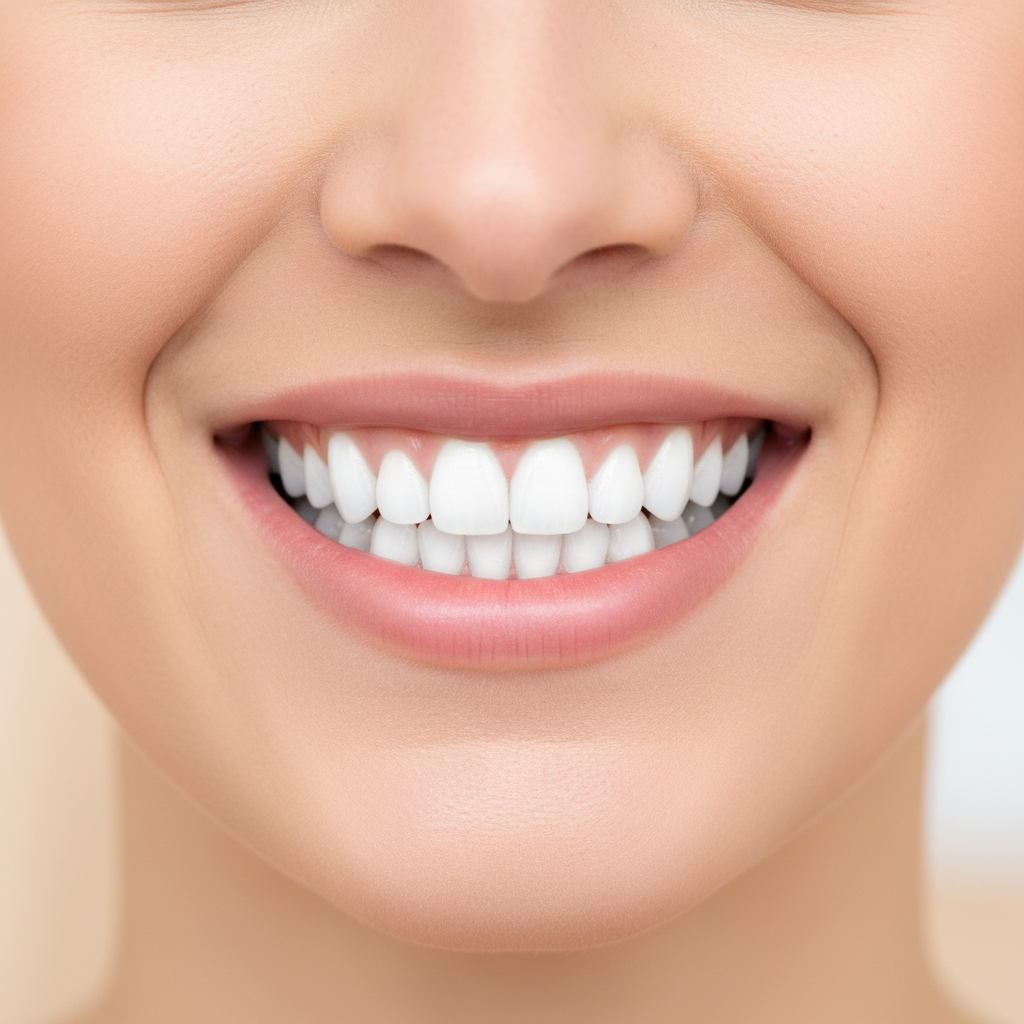
Sustaining a bright smile beyond the initial recovery period requires a shift from reactive care to proactive daily habits. The most effective framework for this is the 2-2-2 rule: brush twice a day, for at least two minutes each time, and visit a specialist twice a year. This structure ensures that surface debris is removed before it can penetrate the enamel and bond with the deeper layers of the tooth.
When selecting your tools, choose a soft-bristled brush and a non-abrasive whitening toothpaste. It is a common misconception that aggressive scrubbing or gritty charcoal pastes are better for how to keep teeth white after whitening. In reality, these abrasive methods can create microscopic scratches in the enamel, which eventually trap more pigments and lead to faster discoloration. A gentle, circular brushing technique protects the smooth surface achieved during your laser whitening session.
Flossing is equally critical for maintaining an even, brilliant appearance. Staining often begins in the crevices between teeth, which can create a shadowed effect where the centers of the teeth are white but the edges remain dark. Consistent flossing removes the film that attracts tannins from food and drink. For specific product recommendations tailored to your enamel type, you can check our whitening FAQ or contact our Durham spa to speak with a specialist.
Natural Brighteners: Foods That Help Maintain a White Smile
While avoiding staining agents is the primary focus of most aftercare, your diet can also play a proactive role in maintaining your results. Certain foods act as mechanical cleansers for your enamel. Crunchy, high-fiber fruits and vegetables like apples, celery, and raw carrots function as nature's toothbrushes. When you chew these firm foods, their fibrous texture physically scrubs away surface debris and plaque before it can harden or discolor. Furthermore, the act of chewing stimulates saliva production, which is the body's natural defense against staining. Saliva neutralizes the acids produced by oral bacteria and washes away food particles that might otherwise linger on your teeth.
Incorporating specific fruits can also chemically assist in how to keep teeth white after whitening. Strawberries, for example, contain malic acid, a natural enzyme that can help lift surface stains and keep your smile looking vibrant. However, it is important to exercise moderation. Strawberries also contain sugar and citric acid, which can weaken enamel if consumed in excess. For the best results, enjoy these natural brighteners as part of a balanced meal and rinse your mouth with water afterward. If you are unsure which foods are safest for your specific enamel type after a laser whitening session, you can review our whitening FAQ or contact our Durham spa for expert advice on dietary maintenance.
When to Schedule a Touch-up at Smile Bright With Love

Even with a diet rich in natural cleansers, the longevity of your results depends heavily on your lifestyle in the Research Triangle. For UNC students pulling all-nighters or RTP professionals attending frequent social dinners, the exposure to staining agents is constant. While a laser whitening session provides immediate and dramatic results, the natural porosity of enamel means that microscopic stains will gradually accumulate over time.
Understanding how to keep teeth white after whitening involves recognizing when your smile needs a professional refresh. Most clients find that a maintenance schedule of every three to six months is ideal to counteract the effects of daily coffee and dark-pigmented meals. This proactive approach prevents deep staining from re-establishing itself in the dental tubules, ensuring your smile remains at its peak brightness year-round.
Choosing a professional touch-up at our Durham spa is significantly more effective and comfortable than struggling with messy, inconsistent home kits. Rather than dealing with ill-fitting trays or potential gum irritation from over-the-counter products, you can return to the relaxation of our plush chaises for a precision treatment by a trained specialist. If you notice your brightness beginning to fade or have an upcoming special event, you can check our whitening FAQ for more details on the process or contact our Durham spa to book your next maintenance appointment.
Common Questions About Laser Whitening Aftercare
Navigating the specifics of how to keep teeth white after whitening often leads to questions about DIY alternatives. While hydrogen peroxide is a common whitening agent, using it at home requires extreme caution. Unregulated concentrations can cause significant gum irritation or enamel erosion. For those concerned that their teeth have become too yellow to save, professional technology offers a solution. A laser whitening session can penetrate deep into the dentin to lift years of staining that over the counter strips simply cannot touch.
If you experience temporary sensitivity, it is easily managed with fluoride-rich mouthwashes or specialized desensitizing products that help calm the dental nerves. These tools provide comfort while your enamel re-mineralizes. For more detailed guidance on post-treatment care, please review our whitening FAQ or contact our Durham spa to speak with a specialist.